








Low-Altitude Economy
As an emerging strategic industry in the world, the low-altitude economy is becoming an important engine to promote urban intelligence, efficient logistics and precise public services. It is estimated that by 2030, the global low-altitude economy market will exceed one trillion US dollars, covering logistics and distribution, urban air mobility (UAM), emergency response, agricultural plant protection and many other fields. However, the core bottleneck of its development lies in how to achieve safe and efficient low-altitude control. In this field, effective low-altitude management is not only a technical problem, but also the key to the coordination of policies, regulations and industries.

Traditional technologies (such as GPS+4G/5.5G) will not be suitable to meet the needs due to shortcomings such as insufficient positioning accuracy, high latency, and easy occlusion. The “space-ground network” has become the only feasible path to build a communication and positioning network with global coverage by integrating satellites, ground base stations and aircraft ad hoc networks.
To solve these problems, we must rely on the three-dimensional communication and positioning system of “one network”. With its world’s first 7-44GHz ultra-wideband coverage, Swiftlink Technology in ultra-wideband (EMB) transceiver system chip seamlessly integrates low-orbit satellite communication (Skynet) with terrestrial 5.5G/6G networks, providing a revolutionary solution for the explosive development of low-altitude economy. The core challenge of “space-ground network” lies in how to achieve centimeter-level positioning, nanosecond-level synchronization, and ultra-low-power communication. Swiftlink ultra-wideband (EMB) transceiver system chip completely reconstructs the network architecture through the following innovations:
The world’s first ultra-wideband coverage (7-44GHz):
-
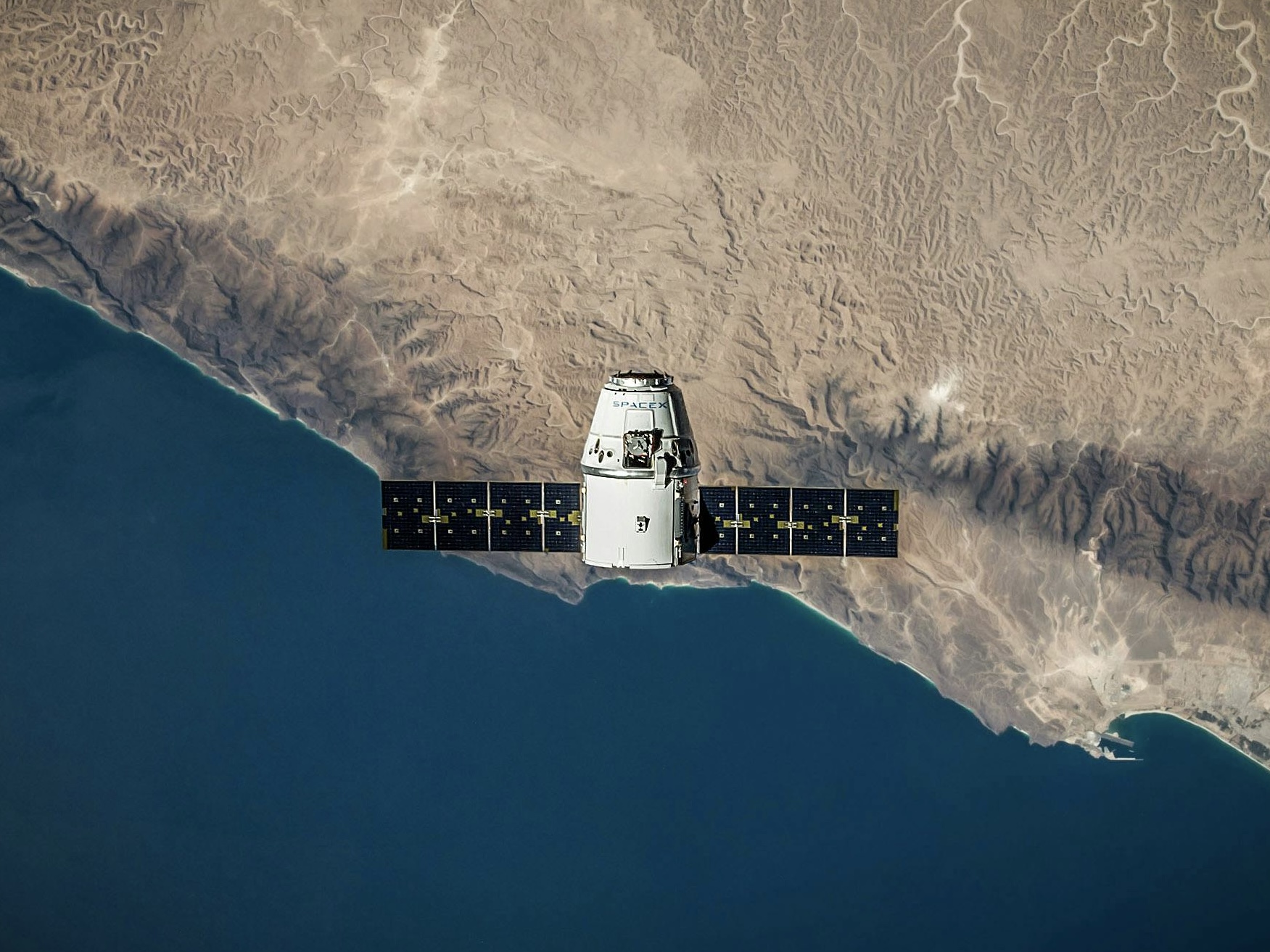
- Compatible with 5.5G/6G and satellite communications (Ka/Ku bands): A single chip can support seamless switching between terrestrial mobile networks and low-orbit satellites (such as Starlink and Beidou), solving the complexity of traditional solutions requiring multi-mode chips.
- High-band advantages: Higher bandwidth supports ultra-high-speed data transmission to meet the needs of 4K video inspection and real-time telemetry.
Sub-nanosecond temporal resolution:
-
- Using the ultra-wideband pulse signal, the time measurement accuracy is improved to 0.1 nanoseconds, so that the three-dimensional spatial positioning error is less than 10 cm, far exceeding the positioning capability of GPS and 5.5G.
Multi-band adaptive frequency hopping:
-
- Dynamically avoid interference frequency bands to ensure communication stability in complex electromagnetic environments, and adapt to occlusion scenarios such as urban canyons and mountainous areas.
Chip-level integrated design:
-
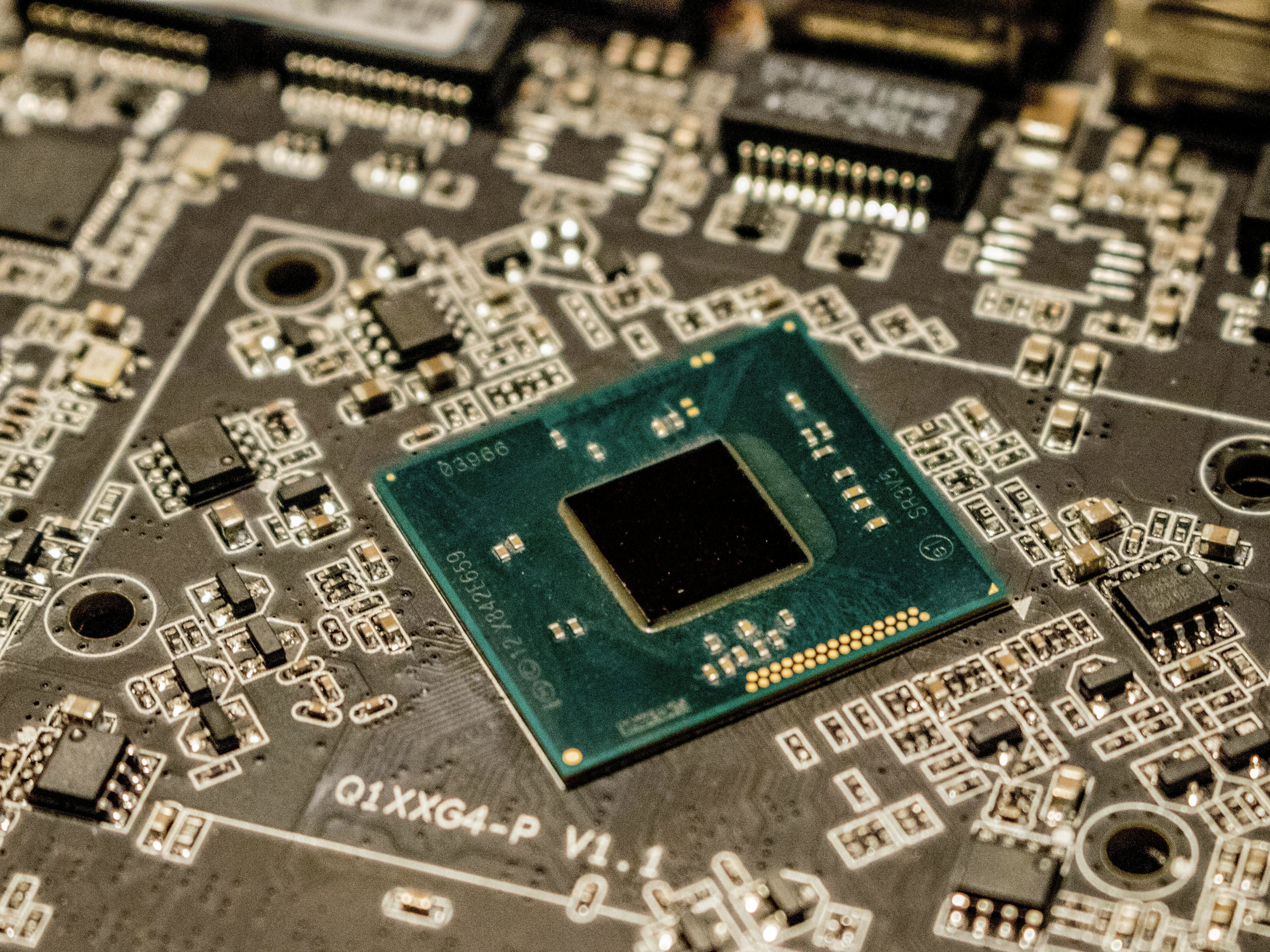
- The integration of RF, baseband, and AI computing power into a single chip reduces power consumption by 60%, and can be directly embedded in drones, navigation base stations, and even satellite terminals, realizing seamless “device-network-cloud” collaboration.